
Quick Summary:
- Slows drying: Moist air makes floors, walls and other cleaned surfaces take longer to dry.
- Encourages mould and mildew: Damp bathrooms, kitchens and poorly ventilated areas can become more prone to mould growth.
- Creates musty odours: Moisture trapped in carpets, curtains, furniture and enclosed spaces can contribute to unpleasant smells.
- Makes dust harder to remove: Humidity can cause fine dust and dirt to cling to surfaces, especially after renovation work.
- Requires deeper cleaning: Post renovation cleaning Malaysia can help remove construction dust, stains and residue while ensuring the property is properly cleaned before use.
Malaysia’s tropical climate brings warm temperatures and high humidity throughout much of the year. While this climate is part of everyday life, it can make keeping a home clean more challenging. Floors take longer to dry, bathroom mould can appear quickly, fabrics may hold moisture and fine dust can settle on surfaces.
In this blog, we will explain how humidity affects house cleaning, why mould and musty smells develop, why dust becomes harder to remove, which areas of a Malaysian home need extra attention, and how better ventilation and professional cleaning can help. We will also look at why cleaning after renovation requires additional care in a humid environment.
How Does Humidity Affect House Cleaning?
Humidity refers to the amount of moisture in the air. When humidity is high, water evaporates more slowly from floors, walls, tiles and other surfaces. This means that a surface which has just been cleaned may stay damp for longer.
In a Malaysian home, this can create several cleaning challenges. Damp surfaces may attract dirt, while enclosed areas with poor airflow can develop unpleasant smells. Bathrooms, kitchens, storerooms and rooms with limited ventilation can be particularly affected.
This is why cleaning in Malaysia is not only about removing visible dirt. Controlling moisture and allowing surfaces to dry properly are also important parts of maintaining a fresh home.
1. Moisture Encourages Mould and Mildew
One of the most common problems associated with high humidity is mould. Mould can develop on bathroom walls, ceiling corners, window frames, tile grout and other damp areas.
Simply wiping away visible mould may not solve the problem if the area remains damp. Continuous moisture can encourage it to return.
Regular mould cleaning Malaysia practices can help keep vulnerable areas under control. Homeowners should also improve ventilation, use bathroom exhaust fans and dry wet surfaces whenever possible.
If a home has recently undergone renovation, the cleaning challenge can be greater because dust, plaster particles and other materials may settle on surfaces affected by moisture.
2. Floors Take Longer to Dry
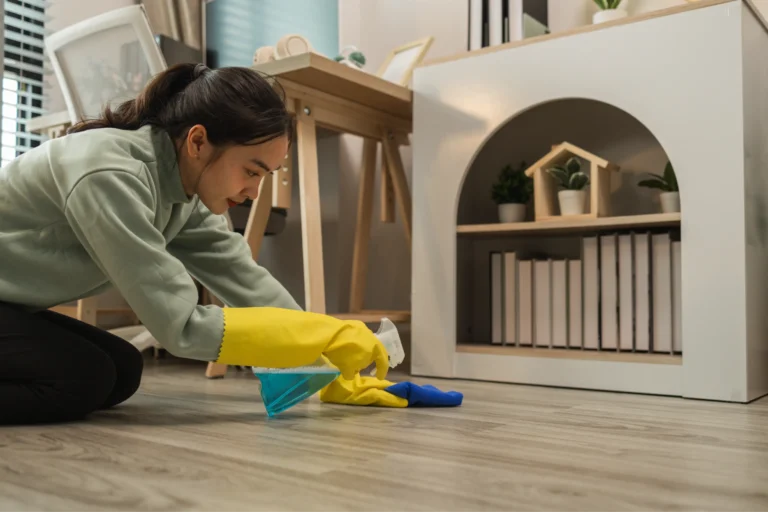
Mopping is one of the most basic household cleaning tasks, but high humidity can make it less convenient. When the air already contains a lot of moisture, water left on a floor may evaporate slowly.
This can result in footprints appearing on freshly cleaned floors when people walk across them before they are completely dry. It may also leave certain surfaces feeling damp.
Using a suitable amount of water, choosing effective cleaning equipment and improving airflow can help floors dry faster. Microfibre mops can also reduce the amount of excess water left behind.
3. Dust Can Become More Difficult to Remove
Fine dust is another major issue, particularly after renovation work. Construction dust can settle on floors, cabinets, windows, doors, light fittings and furniture.
When humidity is high, fine particles can cling more easily to some surfaces. Simply wiping them once may not be enough.
This is where post construction cleaning Malaysia can be valuable for larger renovation projects. A detailed cleaning process can focus on areas where fine dust is easily overlooked.
Homeowners should ideally vacuum loose dust before using wet cleaning methods. This prevents dust from turning into a muddy residue when mixed with water.
4. Musty Smells Can Develop
A home may look clean but still have an unpleasant smell if moisture is trapped indoors. Damp towels, curtains, carpets, mattresses and upholstered furniture can hold moisture for longer in humid conditions.
Musty smells may also come from poorly ventilated bathrooms, damp walls, cupboards or hidden areas behind furniture.
Instead of relying only on air fresheners, homeowners should identify the source of the smell. Improving airflow and keeping fabrics dry can make a noticeable difference.
Regular deep cleaning services Malaysia can also help address areas that may not receive enough attention during normal weekly cleaning.
5. Bathrooms Need Extra Attention
Bathrooms naturally contain more moisture than most other rooms. In Malaysia’s humid climate, this can make bathroom maintenance particularly demanding.
Grout lines, shower corners, glass panels, drains and ceiling areas can accumulate moisture, soap residue and dirt. If these areas are not cleaned regularly, they may begin to look dull or develop mould.
Using an exhaust fan after showering can improve airflow. Keeping shower screens and wet surfaces as dry as possible can also reduce moisture build-up.
For homes preparing for new occupants after renovation, move in cleaning Malaysia can help ensure bathrooms, floors, fixtures and other important areas are properly prepared.
6. Kitchens Can Become Greasy and Damp
Cooking produces heat, steam and moisture. Boiling water, washing dishes and preparing food can all contribute to indoor humidity.
When moisture combines with cooking grease, it can create a sticky layer on cabinets, tiles, walls and appliances. If this residue is left for too long, it becomes harder to remove.
Using a cooker hood and ensuring adequate ventilation can reduce moisture and grease accumulation. Wiping kitchen surfaces regularly is also much easier than dealing with heavy build-up later.
7. Fabrics Can Hold Moisture
Curtains, carpets, cushions, mattresses and other fabrics can absorb moisture from the surrounding air. In rooms with limited airflow, they may take longer to dry completely.
This can contribute to unpleasant odours and make the home feel less fresh.
Allowing sunlight and fresh air into rooms when weather conditions permit can help. Regular vacuuming and washing of removable fabrics can also support better household hygiene.
Practical Ways to Make House Cleaning Easier
Humidity cannot be removed from Malaysia’s climate, but homeowners can reduce its impact with simple habits.
- Open windows when weather conditions allow good airflow.
- Use exhaust fans in bathrooms and kitchens.
- Dry wet floors and surfaces promptly.
- Avoid leaving damp towels indoors for long periods.
- Vacuum fine dust before wet cleaning.
- Clean bathroom grout and corners regularly.
- Check behind furniture for trapped moisture and dust.
- Use a dehumidifier in consistently damp rooms.
- Repair leaking pipes and water seepage quickly.
- Clean air-conditioning filters regularly.
- Wash curtains, carpets and other moisture-holding fabrics periodically.
These steps can make house cleaning Malaysia routines more manageable and help prevent small cleaning issues from becoming bigger problems.
Why Is Post-Renovation Cleaning More Challenging?
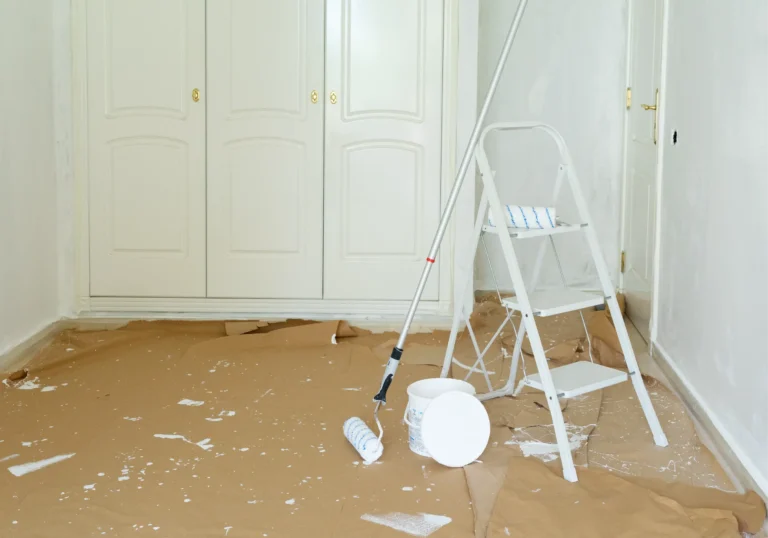
Renovation can leave behind much more than ordinary household dust. Plaster particles, cement residue, paint marks, adhesive, sawdust and fine construction particles can settle throughout a property.
Humidity can make some of this residue harder to remove because moisture may cause fine dust to cling to surfaces.
This is why after renovation cleaning requires more attention than routine household maintenance. Floors, windows, cabinets, walls, bathrooms, doors, fixtures and other surfaces may all need detailed cleaning.
For homeowners preparing a renovated property, choosing renovation cleaning Malaysia services can save considerable time and effort, particularly when the property needs to be cleaned before occupation.
When Should You Consider Professional Cleaning?
DIY cleaning is suitable for everyday maintenance, but some situations require more time and specialised attention.
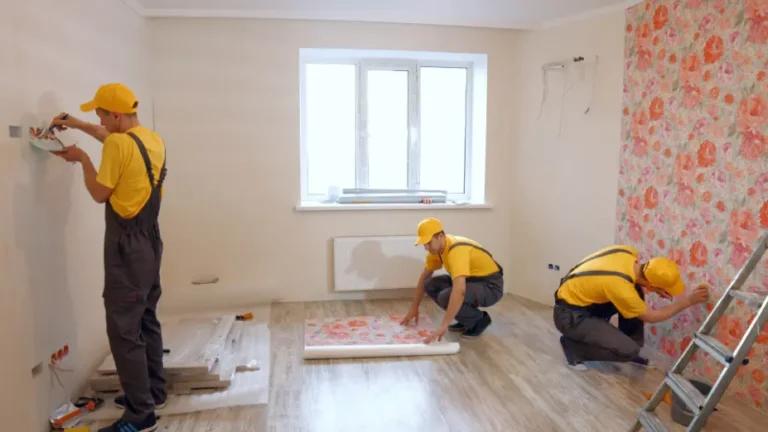
A newly renovated house, for example, may have dust in corners, inside cabinets, around windows and on fixtures. Large commercial properties may also require cleaning before employees or customers return.
Choosing professional cleaning services Malaysia can be practical when the property is large, heavily soiled or recently renovated. Professional cleaners can work systematically through different areas and help prepare the property for normal use.
For residential properties, residential cleaning services Malaysia can also be useful when homeowners need assistance with detailed cleaning before moving into a newly renovated space.
Residential and Commercial Renovation Cleaning
The cleaning requirements of a home and a commercial property are often different.
A house may require careful attention to bedrooms, kitchens, bathrooms, cabinets, floors and living areas. Commercial spaces may involve offices, retail units, restaurants, corridors, washrooms and larger floor areas.
For this reason, residential renovation cleaning and commercial renovation cleaning should be approached according to the property’s size, layout and condition.
A proper cleaning process can help remove renovation residue and leave the property in a more suitable condition for its next stage of use.
Why Humidity Makes Renovation Cleaning Even More Important
Malaysia’s humidity means that cleaning should not stop at simply removing visible dirt. Surfaces should also be allowed to dry properly, particularly in enclosed rooms.
After renovation, this becomes even more important because construction dust and residue may be present across many areas of the property. Thorough cleaning followed by proper ventilation can help create a fresher indoor environment.
Homeowners should pay particular attention to bathrooms, kitchens, window areas, cupboards and other locations where moisture and dust can accumulate.
Maintaining a Clean and Comfortable Malaysian Home
Humidity is a normal part of Malaysia’s tropical climate, but it can make everyday cleaning more difficult. Slow drying, mould, musty smells, sticky surfaces and persistent dust can all become more noticeable when moisture levels remain high.
Good ventilation, regular cleaning and proper drying can help homeowners manage these challenges. However, renovation projects often require a more detailed approach because construction dust and residue can spread across the entire property.
If you are preparing a newly renovated home or commercial space and need professional assistance, you can contact Renovation Cleaning Malaysia to discuss your cleaning requirements and find a suitable solution.
FAQs:
1. Why does humidity make house cleaning harder in Malaysia?
High humidity slows the evaporation of water from cleaned surfaces. Floors, walls and fabrics can remain damp for longer, increasing the possibility of mould, odours and dirt build-up.
2. Does high humidity cause mould in Malaysian homes?
High humidity itself does not automatically cause mould, but prolonged moisture and poor ventilation can create favourable conditions for mould growth, particularly in bathrooms and enclosed spaces.
3. How can I keep my Malaysian home clean during humid weather?
Improve ventilation, dry wet surfaces quickly, clean bathrooms regularly, control indoor moisture and avoid keeping damp fabrics in enclosed areas for extended periods.
4. Is professional cleaning necessary after renovation?
It is not always necessary, but professional cleaning can be useful after major renovation work because fine construction dust, paint residue, plaster and other debris can be difficult to remove through normal cleaning.
5. What areas need the most attention after a renovation?
Floors, windows, cabinets, bathrooms, kitchen surfaces, doors, fixtures and corners often require detailed attention because renovation dust can settle in hard-to-see areas.